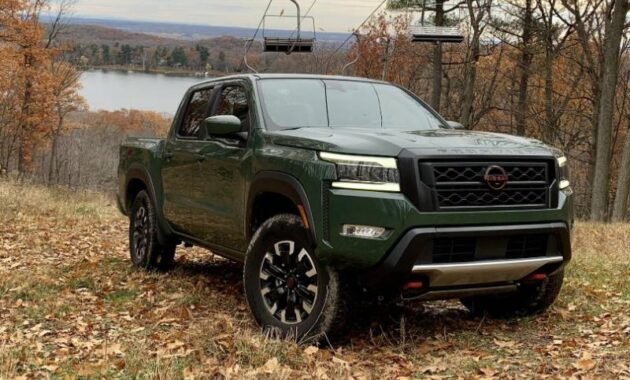
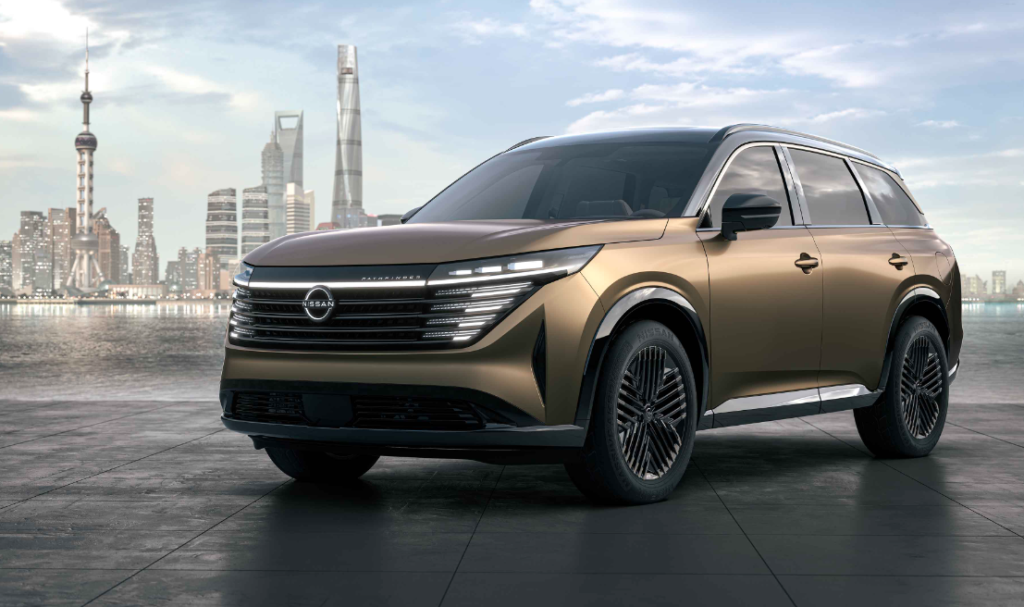
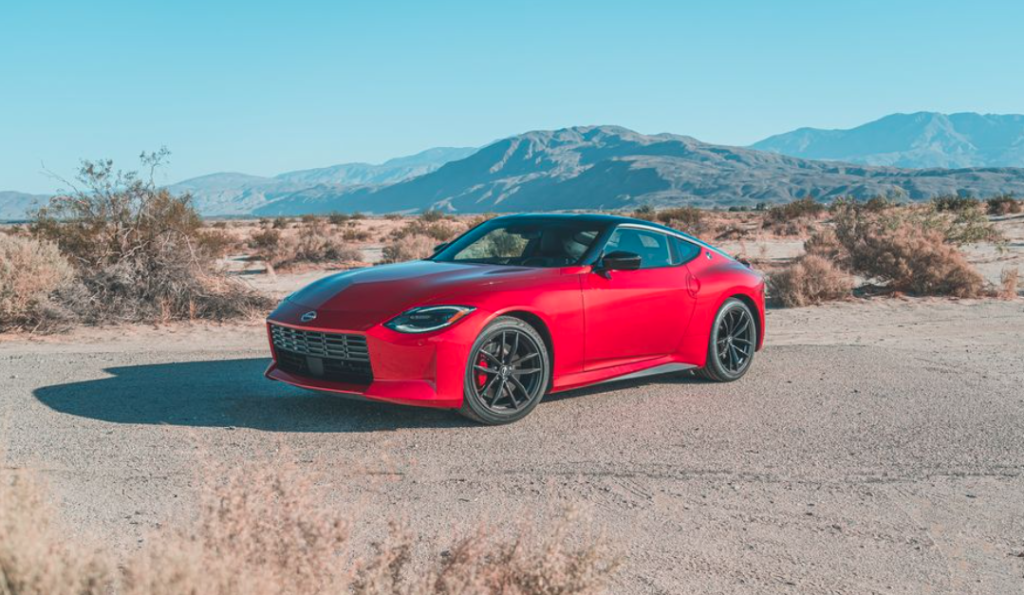
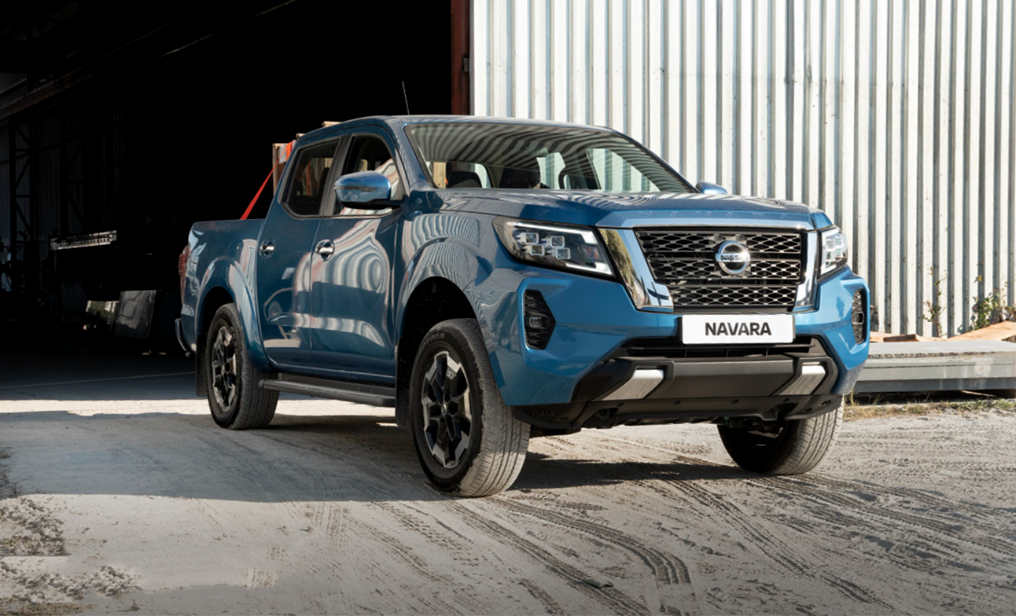

Nissan, a renowned automobile manufacturer, has established a rich history of producing reliable, innovative, and performance-driven vehicles. From sedans and SUVs to electric cars, Nissan has continuously evolved its lineup to cater to a diverse range of drivers’ needs. Let’s delve into the captivating history of Nissan cars and discover the key milestones that have shaped the brand’s identity.
Nissan’s roots can be traced back to 1914 when it was initially established as the Kwaishinsha Motor Car Works. The company’s first car, the DAT, was introduced in 1914, kickstarting Nissan’s journey in the automotive industry. Over the following years, the company underwent several name changes and mergers, eventually adopting the name “Nissan Motor Company” in 1934.
Following World War II, Nissan experienced a period of rapid growth and expansion. In the 1950s, the company introduced the iconic Datsun brand, which would later become synonymous with Nissan. Datsun cars gained popularity globally due to their affordability, reliability, and fuel efficiency.
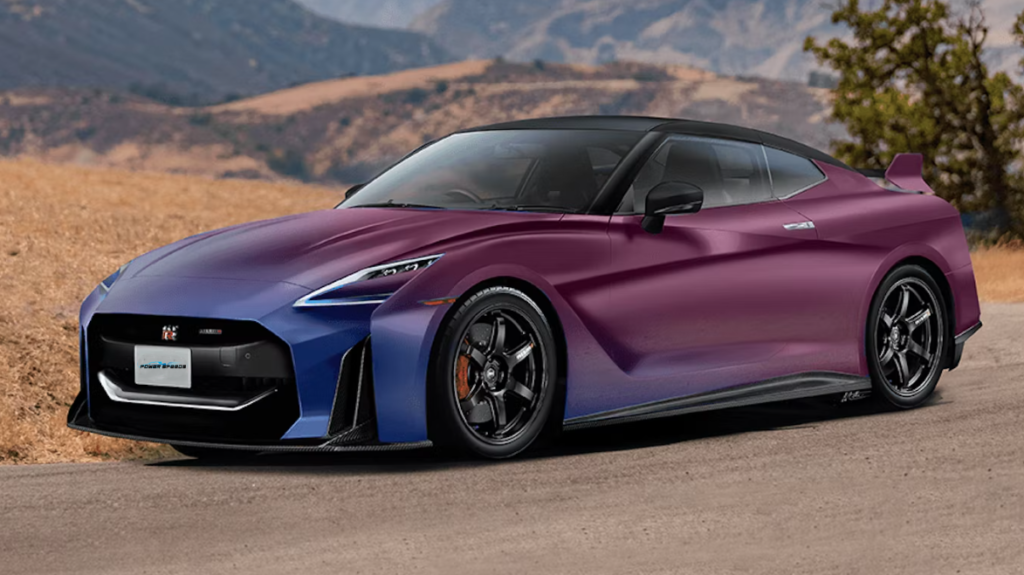
Throughout the 1960s and 1970s, Nissan made significant strides in automotive technology and performance. The company introduced the iconic Nissan Skyline GT-R in 1969, a high-performance sports car that showcased Nissan’s engineering prowess. The Skyline GT-R became a legend in the automotive world, setting new standards for performance and handling.
In the 1980s and 1990s, Nissan focused on expanding its global presence and forging strategic alliances. The company established manufacturing plants in various countries, including the United States and the United Kingdom, solidifying its position as a global automotive leader. Additionally, Nissan formed a partnership with Renault in 1999, leading to the creation of the Renault-Nissan Alliance, one of the largest automotive alliances in the world.
Nissan made a significant breakthrough in automotive technology with the introduction of the Nissan Leaf in 2010. The Leaf was one of the first affordable mass-produced electric cars, revolutionizing the industry and making electric vehicles more accessible to the general public. With its impressive range and zero-emission capabilities, the Leaf showcased Nissan’s commitment to sustainable mobility.
In recent years, Nissan has continued to innovate and adapt to changing market demands. The company has introduced advanced safety features, hybrid technology, and enhanced connectivity options across its vehicle lineup. Nissan also unveiled the all-electric Ariya SUV, further solidifying its commitment to electric mobility.